
Two cashmere sweaters can feel equally soft in a shop yet look remarkably different after a season of wear. One retains its proportions, maintains an even surface, and continues to feel comfortable against the skin. The other develops excessive pilling, stretches around the cuffs, or loses the shape that originally made it attractive. These differences are not always explained by price or brand reputation. The quality of cashmere depends on several connected factors, including fiber characteristics, yarn preparation, fabric construction, and finishing.
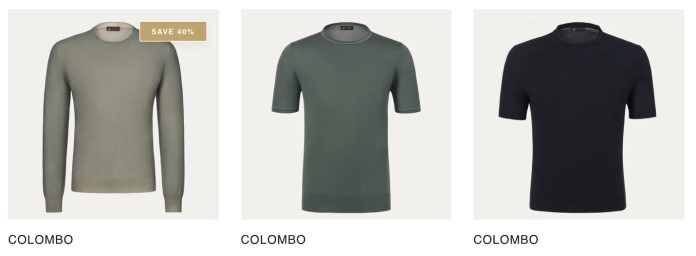
Understanding these factors is particularly useful when examining garments produced by specialist Italian manufacturers. Collections such as Colombo cashmere at Sartale provide examples of how fine natural fibers can be used in knitwear and other refined clothing. Colombo has developed considerable expertise in textile manufacturing, with a particular focus on cashmere and other valuable animal fibers. Its approach illustrates why the material itself is only the starting point. The way fibers are selected, processed, and transformed into a finished garment ultimately determines much of the wearing experience.
Cashmere also requires realistic expectations. It offers an appealing combination of softness, warmth, and relatively low weight, but it is not immune to friction, stretching, or improper cleaning. Exceptionally fine fibers can produce a luxurious surface while demanding careful maintenance. Choosing cashmere intelligently means understanding both its advantages and its limitations rather than assuming that the most expensive or softest garment will necessarily be the most durable.
What Determines the Quality of Cashmere Fiber
Cashmere comes from the fine undercoat of cashmere goats, which develop insulating fibers beneath their coarser outer hair. The valuable material is collected and processed to separate these fine fibers from unwanted components. The resulting quality depends on the characteristics of the original fiber and the effectiveness of subsequent manufacturing operations.
Fiber diameter is one of the most frequently discussed measurements. Finer fibers generally contribute to a softer feel because they bend more readily against the skin. Diameter is commonly measured in microns, with lower figures indicating finer material. However, fineness alone does not determine the quality of a finished garment. An exceptionally fine fiber may be pleasant to touch while offering limited resistance to certain forms of abrasion.
Fiber length is another important characteristic. Longer fibers can contribute to stronger, more stable yarns because they provide greater opportunities for overlap during spinning. Shorter fibers may work their way toward the surface more readily, potentially contributing to shedding and pilling. The relationship is not absolute, since yarn twist, fabric construction, and finishing also influence these behaviors.
Consistency matters as much as individual measurements. A batch containing fibers with substantially different characteristics may behave less predictably during manufacturing. Careful sorting and preparation help producers create yarns with more uniform properties. This is particularly valuable when manufacturing lightweight knitwear, where irregularities can become visible across a relatively smooth surface.
The origin of the raw material may provide information about supply chains and regional production practices, but geography alone is not a guarantee of quality. Climate, animal characteristics, collection methods, sorting, and processing all influence the finished fiber. Claims about exceptional material quality should ideally be supported by meaningful specifications rather than broad descriptions of geographic origin.
Consumers rarely have access to detailed fiber-testing results for individual garments. Nevertheless, understanding these factors helps explain why two products labeled as pure cashmere can differ considerably in appearance, price, and performance. The fiber content label is useful, but it cannot describe the entire manufacturing process.
From Raw Fiber to Finished Cashmere Fabric
The transformation of raw cashmere into clothing involves several operations that influence the material’s characteristics. After collection, the fibers undergo cleaning and separation processes designed to remove dirt, unwanted material, and coarse guard hairs. The prepared fibers are then processed into yarn suitable for weaving or knitting. Each stage requires decisions that affect the final texture and performance.
Spinning is particularly important because yarn structure influences the balance between softness and stability. A loosely spun yarn can produce a soft, airy surface, but it may also be more vulnerable to abrasion or loss of shape. Additional twist can improve certain aspects of yarn cohesion while changing the feel and appearance of the resulting textile. The appropriate balance depends on whether the yarn will be used for knitwear, woven fabric, or another application.
Knitting introduces another set of variables. The gauge, stitch structure, and density of a knitted fabric affect its flexibility, thickness, and appearance. A fine-gauge sweater can provide a smooth surface suitable for wearing beneath a tailored jacket. Heavier knitting may create greater visual texture and warmth, but it can also increase bulk. Neither construction is inherently superior because they serve different purposes.
Woven cashmere fabrics behave differently from knitted garments. They can be used in coats, scarves, and tailored clothing, where structure and drape play important roles. Weaving patterns, fabric density, and finishing treatments influence how the cloth falls and how it responds to movement. A soft woven cashmere coat and a lightweight knitted sweater should therefore be evaluated according to different expectations.
Finishing can significantly change the appearance and feel of the material. Processes that raise or smooth the surface may increase the immediate impression of softness. However, an unusually fluffy finish should not automatically be interpreted as evidence of superior fiber quality. Excessive surface fibers can contribute to visible changes during wear, depending on the underlying yarn and fabric construction.
The manufacturing process must therefore balance several sometimes competing requirements. Softness, resilience, shape retention, and appearance cannot always be maximized simultaneously. Skilled producers select methods appropriate to the particular garment rather than pursuing softness at the expense of every other characteristic.
Colombo and the Italian Tradition of Fine Fibers
Lanificio Colombo was established in Borgosesia, Italy, in 1967 by Luigi Colombo. The company developed its reputation through the processing of fine and rare animal fibers, supplying materials associated with the upper end of the luxury textile industry. Its expertise extends beyond conventional cashmere to include materials such as vicuña and other specialized fibers used in premium clothing.
The company’s location in the Italian textile-producing region of Valsesia connects it with an industrial environment shaped by generations of fabric manufacturing. Textile expertise in such regions includes knowledge of fiber preparation, spinning, weaving, finishing, and quality assessment. These skills are important because producing luxury cloth requires consistency across numerous manufacturing stages.
Colombo’s development has included research into materials and production techniques. The company has expanded from its textile foundations into finished clothing, allowing its expertise in fabrics to influence garments sold under its own name. This combination of textile manufacturing and clothing design distinguishes its business from brands that concentrate primarily on styling and outsource much of their fabric production.
An important characteristic of specialist textile manufacturers is their ability to work with different fiber properties according to the intended product. A lightweight cashmere pullover and a woven coat require different yarns, construction methods, and finishing processes. Their quality cannot be compared through softness alone. The manufacturer’s task is to select an appropriate material structure for each application.
Colombo’s clothing also demonstrates how cashmere can be combined with other fibers. Cashmere-silk blends, for example, offer a different balance of texture, drape, and appearance from pure cashmere. The proportions and processing methods influence the result, so a blended garment should not automatically be regarded as inferior to one made entirely from cashmere.
The company’s heritage provides useful context when examining its collections. Nevertheless, the individual garment remains the appropriate basis for a purchasing decision. Fit, material composition, construction, and care requirements should be considered regardless of the manufacturer’s reputation.
How to Evaluate Cashmere Before Buying
The first impression of cashmere usually comes from touch. Softness is certainly desirable, but it should not be the only criterion. Some garments have been finished to create an exceptionally soft surface that may change after laundering or repeated friction. A more informative assessment combines touch with observations about fabric consistency, construction, and elasticity.
A knitted garment should have an even appearance appropriate to its intended design. Obvious irregularities, unexplained thin areas, or poorly finished seams may indicate problems. However, natural fibers can display subtle variations, particularly in textured or loosely constructed knitwear. The distinction between intentional character and a manufacturing defect requires some judgment.
The cuffs, neckline, and hem deserve examination because these areas experience repeated stretching and handling. Ribbed sections should have enough elasticity to perform their function without creating excessive pressure. The neckline should lie naturally against the body, while the garment’s overall proportions should remain balanced when worn.
Fabric density also influences the wearing experience. A very lightweight sweater may be suitable for layering but offer limited insulation when worn alone. A denser knit can provide greater substance, although its warmth also depends on yarn characteristics and fabric structure. Weight should therefore be considered in relation to the garment’s purpose.
A practical assessment should include several characteristics.
- Fiber composition. Check whether the garment contains pure cashmere or a blend, and consider how the materials suit its intended use.
- Surface consistency. Examine the fabric for unintended irregularities, excessive loose fibers, and uneven finishing.
- Shape recovery. Gently observe how the knit responds to normal movement and whether it returns toward its original proportions.
- Seam construction. Check that the garment is assembled securely without unnecessary bulk or distortion.
- Fit and drape. Make sure the sweater follows the body comfortably without excessive pulling or unwanted stretching.
- Care requirements. Read the manufacturer’s instructions before purchasing, particularly for delicate blends and specialized finishes.
These characteristics are most useful when considered together. An exceptionally soft sweater may be unsuitable if its fit is poor or its maintenance requirements conflict with the owner’s routine. A slightly more substantial garment may provide greater practical value if it remains comfortable and receives frequent use.
Understanding Pilling and Long-Term Durability
Pilling is one of the most common concerns associated with cashmere. Small balls of entangled fibers can develop on the fabric surface when loose fiber ends are subjected to friction. Areas such as the underarms, sides, and regions exposed to bag straps are particularly vulnerable. Pilling can occur even in high-quality cashmere, although its extent and persistence vary according to the material and construction.
Fiber length, yarn structure, knitting density, and finishing all influence the process. Shorter loose fibers may contribute to surface fuzz and pill formation, while the strength of the fibers involved affects whether pills remain attached or detach during use. Consequently, the amount of visible pilling cannot be predicted reliably from the cashmere percentage or retail price alone.
Some garments develop noticeable pills during their early period of wear as loose surface fibers become entangled. Their appearance may stabilize after appropriate maintenance, although this is not guaranteed. Continued heavy friction can produce recurring pilling even after the initial surface fibers have been removed.
Pilling should not be confused with permanent structural damage. Carefully removing surface pills may restore a neater appearance, provided the method is appropriate for the fabric. Excessive shaving, pulling, or aggressive brushing can damage the knit and remove more material than necessary.
Durability also involves shape retention. Knitwear is vulnerable to stretching when stored or dried incorrectly, particularly while wet. The weight of water can place considerable strain on a delicate garment if it is hung to dry. Suitable washing and drying methods are therefore essential to preserving its proportions.
A realistic understanding of cashmere recognizes that natural fibers change during use. The objective is not to eliminate every sign of wear but to select garments whose construction and maintenance requirements are appropriate for their intended purpose.
Caring for Cashmere Without Damaging It
Cashmere maintenance begins with following the care label. Some garments permit gentle hand washing, while others require professional cleaning. The appropriate method depends on the yarn, construction, dyeing, finishing, and any additional materials used in the garment. Applying a universal washing method to every cashmere product can lead to avoidable damage.
When hand washing is permitted, cool water and a detergent intended for delicate wool fibers are generally appropriate. The garment should be handled gently rather than scrubbed or twisted. Excessive agitation can encourage felting and distortion, particularly under unsuitable temperature and washing conditions.
Removing excess water requires care. A wet cashmere sweater should not be wrung aggressively because twisting can stretch or deform the knit. Gently pressing out moisture and using an absorbent towel may be appropriate when consistent with the care instructions. The garment can then be reshaped and dried flat on a suitable surface.
Heat presents another risk. Hot washing, tumble drying, or inappropriate ironing can alter the structure and dimensions of delicate knitwear. Steam may be useful for certain garments, but its application should follow the manufacturer’s recommendations. Direct contact with excessively hot equipment can damage fibers or produce an unwanted surface finish.
Storage deserves equal consideration. Cashmere sweaters are generally better folded than left hanging for extended periods, particularly when the knit is heavy or loosely constructed. Hanging can place continuous tension on the shoulders and neckline, potentially changing the garment’s shape.
Clean, dry storage also helps reduce the risk of insect damage. Clothes moth larvae can damage animal fibers, particularly when garments are stored undisturbed. Regular inspection, suitable cleaning, and appropriate storage containers can help protect seasonal knitwear.
Cashmere does not necessarily require washing after every brief period of use. Airing a garment and treating minor marks appropriately may reduce unnecessary cleaning, provided the fabric remains hygienic and the manufacturer’s instructions are respected. Frequent washing is not always beneficial for delicate clothing.
Proper care cannot make a poorly constructed garment perform like an exceptional one. It can, however, help preserve the qualities of well-made cashmere and reduce damage caused by unsuitable handling.
Choosing Cashmere for a Practical Wardrobe
Cashmere is frequently associated with luxury knitwear, but different garments offer different levels of versatility. A fine-gauge crew-neck sweater can work beneath an unstructured jacket, while a heavier cardigan may function as an outer layer in mild conditions. Scarves, coats, and knitted accessories serve additional purposes. Selecting among them requires understanding how the garments will be worn.
Color influences versatility. Navy, charcoal, camel, brown, and restrained neutral shades are relatively easy to coordinate with tailored trousers, denim, and outerwear. More distinctive colors can also be worthwhile when they complement an established wardrobe. The important consideration is whether the garment works with clothing already owned rather than requiring several additional purchases.
Fit matters because cashmere knitwear should accommodate movement without relying on excessive stretching. A sweater that pulls tightly across the chest or shoulders may become uncomfortable and experience unnecessary strain. An excessively loose garment can lose visual definition, particularly when made from a soft, fluid knit.
Layering also affects fabric choice. Lightweight cashmere can provide insulation without substantial bulk, making it suitable beneath certain jackets and coats. Heavier knitwear may be more comfortable when worn as a visible outer layer. The garment’s neckline, sleeve length, and overall proportions should correspond to its intended combinations.
Blended materials offer practical alternatives. Cashmere-silk knitwear can provide a different surface character and drape from pure cashmere. Cashmere-wool combinations may offer another balance of softness, resilience, and cost. These properties depend on the specific blend and manufacturing process rather than the fiber percentages alone.
The most versatile cashmere purchase is not necessarily the simplest garment. A distinctive cardigan may receive frequent use if it suits the owner’s routine, while a conventional crew-neck sweater may remain unworn if its fit or color is unsuitable. Practical value emerges from the relationship between the garment and the person wearing it.
Is Luxury Cashmere Worth the Price?
Cashmere prices vary considerably, and the differences reflect more than raw fiber costs. Sorting, processing, spinning, knitting or weaving, finishing, garment construction, and distribution all contribute to the retail price. Brand positioning also plays a role. A high price may accompany excellent materials and workmanship, but it should not be treated as independent proof of either.
The appropriate evaluation begins with the qualities that can actually be observed. Does the garment fit comfortably? Does its construction suit the intended use? Is the fabric consistent, and do the seams and finishing appear carefully executed? Are the care requirements realistic for the buyer?
Cost per wear can provide a useful perspective. A cashmere sweater purchased for €600 and worn 120 times has a purchase cost of €5 per wear before maintenance. Another garment costing €250 but worn only ten times reaches €25 per wear. These examples illustrate the importance of frequency of use without suggesting that a higher-priced product necessarily lasts longer.
Maintenance expenses should also be considered. A garment requiring frequent specialist cleaning may cost more to own than one that can be cared for safely at home. Delicate construction may also limit the activities for which it is suitable. These considerations do not make fine cashmere undesirable, but they influence its practical value.
Buying luxury cashmere is ultimately a decision about material preference, comfort, appearance, and expected use. Some buyers particularly appreciate the softness and low weight of fine knitwear. Others may find that merino wool or a well-designed blend better suits their needs. The distinction should be made through careful comparison rather than assumptions about prestige.
Recognizing Cashmere That Deserves Its Place
The appeal of cashmere begins with its natural properties, but the quality of a finished garment depends on the decisions made throughout production. Fiber fineness, length, yarn structure, fabric density, and finishing influence how the material feels and performs. No single measurement can explain all these characteristics.
Colombo’s history as a specialist Italian textile manufacturer illustrates the importance of understanding materials before turning them into finished clothing. Its expertise in fine fibers provides context for its collections, although each garment should still be assessed according to its own construction and intended use.
The most satisfying cashmere purchase is one that combines an appealing texture with suitable proportions, dependable workmanship, and manageable maintenance. A sweater should feel comfortable, work naturally with existing clothing, and retain its intended character under appropriate care. Its value becomes clearer through repeated use rather than the initial impression of softness.
Luxury cashmere rewards informed selection. Understanding what influences quality makes it easier to appreciate genuine craftsmanship while recognizing the limitations of delicate natural fibers. A carefully chosen garment does not need to remain untouched to justify its price. It should be enjoyed, maintained appropriately, and worn often enough for its comfort and character to become part of everyday life.