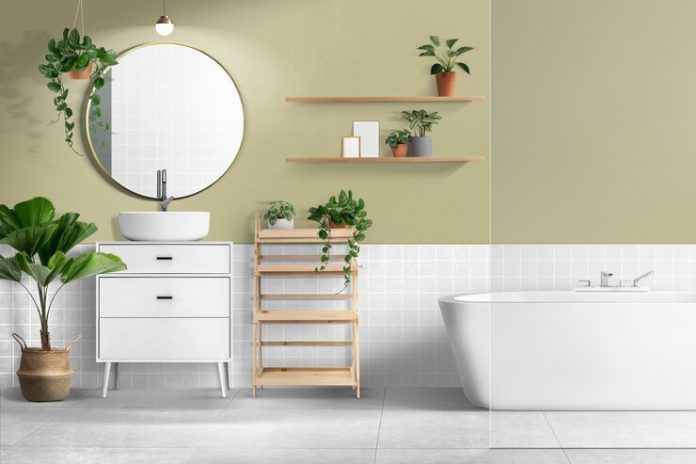

The bathroom vanity with sink is the anchor of any bathroom. It’s the first thing you see when you walk in, the surface you interact with every single morning, and one of the most significant drivers of both aesthetics and functionality in the space. Getting it right matters.
There’s a lot to navigate — single vs. double sink, freestanding vs. wall-mounted, vessel sink vs. undermount, wood vs. stone vs. engineered materials. Here’s a clear breakdown of every decision so you can choose the right bathroom vanity with sink for your specific space and needs.
Step 1: Get the Size Right
Size is the non-negotiable starting point. Measure your bathroom carefully before looking at anything else — specifically the width of the space available, the distance to the toilet (you need at least 18 inches of clearance), and the depth available from the wall.
- Small bathrooms (under 40 sq ft): 24-to-30-inch single vanities; consider a wall-mounted option to keep the floor visible
- Medium bathrooms: 36-to-48-inch single vanities offer comfortable counter space without overwhelming the room
- Master bathrooms: 60-to-72-inch double vanities are the standard — they serve two people without morning traffic jams
Pro Tip: Don’t size up to the maximum that fits. Leave breathing room around the vanity — a vanity that fills a space edge-to-edge can make even a large bathroom feel cramped.
Freestanding vs. Wall-Mounted vs. Pedestal
Freestanding Vanity
The most common type. A freestanding bathroom vanity with sink sits on the floor with a cabinet base, offering generous storage underneath. It’s the easiest to install and the most widely available in terms of styles and sizes. The main drawback: it can make cleaning the floor more effortful.
Wall-Mounted (Floating) Vanity
Mounted directly to the wall with no floor contact, a floating vanity creates visible floor space beneath it — one of the most effective tricks for making a bathroom feel larger. Installation is more complex (it requires wall anchoring into studs), but the result is cleaner, more modern, and easier to mop around.
Pedestal Sink
A pedestal is technically not a vanity — it has no storage — but it deserves mention because in very small bathrooms, it can be the right answer. It keeps floor space maximally open and reads as elegant when space is tight.
Sink Configuration: Undermount, Drop-In, or Vessel
Undermount Sinks
Mounted below the countertop surface, undermount sinks create a seamless counter surface that’s easy to wipe clean. They’re the most popular choice in contemporary bathrooms and work beautifully with stone or solid-surface countertops.
Drop-In Sinks
Drop-in sinks sit in a cutout in the counter with a rim resting on the surface. They’re easier to install than undermounts and come in a huge range of styles, but the rim creates a ledge that collects grime over time.
Vessel Sinks
Vessel sinks sit on top of the counter as a freestanding bowl. They’re bold, design-forward, and make an immediate visual statement. Keep in mind that they raise the effective counter height — shorter users may find them uncomfortable — and require specific faucet height to match.
Material Matters: Countertops and Cabinet
- Marble countertop: Timeless and beautiful but requires sealing and careful maintenance — avoid in vanities used by multiple people carelessly
- Quartz countertop: Engineered, non-porous, and nearly maintenance-free — the practical choice for daily use
- Solid wood cabinet: Warm, beautiful, and ages well — but needs proper ventilation and sealing in humid bathrooms
- MDF/PVC cabinet: More resistant to moisture than solid wood but less beautiful — good for budget builds
- Ceramic or stone sink bowl: Durable and elegant; avoid thin ceramics that chip under impact
Style Directions
The bathroom vanity with sink sets the style tone for the entire room. A few clear directions:
- Modern/minimalist: Flat-front cabinet doors, matte black or brushed nickel hardware, undermount sink, quartz countertop
- Traditional: Raised panel doors, oil-rubbed bronze hardware, marble or ceramic countertop, furniture-style legs
- Industrial: Concrete or dark stone top, open shelf base, raw metal or pipe-style legs
- Rustic/farmhouse: Distressed wood cabinet, apron-front sink, vintage-style faucets with porcelain handles
Whichever direction you choose, coordinate your faucet finish with your other bathroom hardware — towel bars, toilet paper holder, light fixture finish — for a polished, cohesive result.