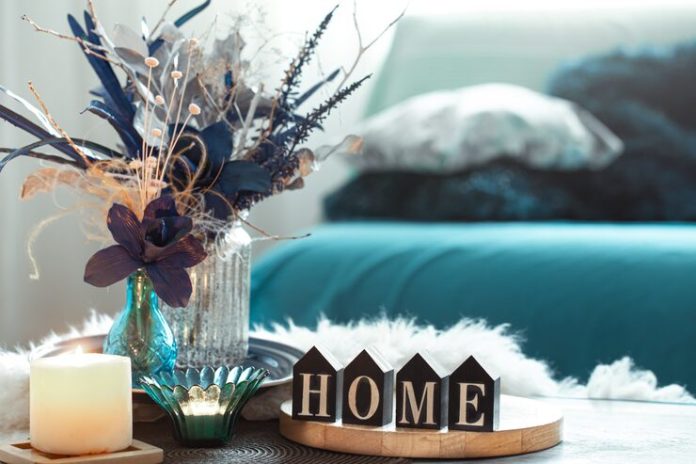

When it comes to home decor ideas, thehometrotters approach stands out for one simple reason: it’s grounded in how people actually live. Not just how homes photograph. The focus is on spaces that work as hard as they look good — functional, welcoming, and genuinely personal.
These ideas are drawn from real homes, real budgets, and real constraints. No staging tricks. No impractical white linen sofas with children in the house. Just smart, considered decorating that you can actually pull off.
The Layering Method: How to Make Any Room Feel Complete
One of the core home decor ideas thehometrotters advocates for is layering. A room that looks finished has multiple layers of visual interest — not just furniture, but textiles, lighting, plants, art, and small objects that reward a closer look.
Here’s how to build those layers:
- Layer 1 — Furniture: The bones of the room. Scale and placement matter most here
- Layer 2 — Rugs: Define zones and add warmth; always go larger than you think you need
- Layer 3 — Textiles: Curtains, throw pillows, blankets — add softness and color variation
- Layer 4 — Lighting: Overhead, ambient, and accent. No room is complete with just one source
- Layer 5 — Plants: Living elements that add freshness, movement, and color
- Layer 6 — Art and objects: Personal items, meaningful pieces, and curated displays that make it yours
Small Space Solutions That Actually Work
Among the most practical home decor ideas, thehometrotters readers consistently return to strategies for small spaces — because most of us are working with less room than we’d like.
- Use furniture with legs rather than pieces that sit on the floor — it creates visual breathing room
- Choose a sofa in the same color family as your walls to make the room feel more expansive
- Install floating shelves instead of bookshelves to keep floor space clear
- Use one large mirror strategically — opposite a window is ideal — to double light and perceived space
- Vertical storage: tall, narrow shelving draws the eye upward and uses underutilized wall height
Color: More Specifically, When to Commit
The most common decorating hesitation is around color. People default to beige and off-white because they feel safe. The result is rooms that are inoffensive but forgettable.
The home decor ideas thehometrotters community swears by: commit to color in at least one room. Paint a hallway a rich, unexpected shade. Do a powder room in deep navy or forest green. These enclosed, transitional spaces are the perfect place to take a color risk, and the effect is always more dramatic and rewarding than a neutral.
Pro Tip: The 60-30-10 rule: 60% dominant color (walls, large furniture), 30% secondary color (rugs, curtains, accent chairs), 10% accent color (cushions, art, small objects). It creates balance without boredom.
Mixing Old and New: The Key to Character
Rooms that feel characterless are usually rooms where everything was bought at the same time from the same store. The antidote is mixing — vintage pieces with modern ones, handmade with mass-produced, inherited with found.
A mid-century chair in a contemporary room. A grandmother’s lamp on a sleek side table. A vintage rug under a modern sofa. These combinations create the layered, collected feeling that makes a home feel genuinely lived-in rather than staged.
The One Edit Worth Making in Every Room
Remove half the decorative objects from every surface in your home. Seriously — half. Put them in a box for a month. What you miss, put back. What you don’t miss, donate.
The edited version of your home will almost always look more designed, more intentional, and more spacious than the full version. Less is a creative act, not a deprivation.