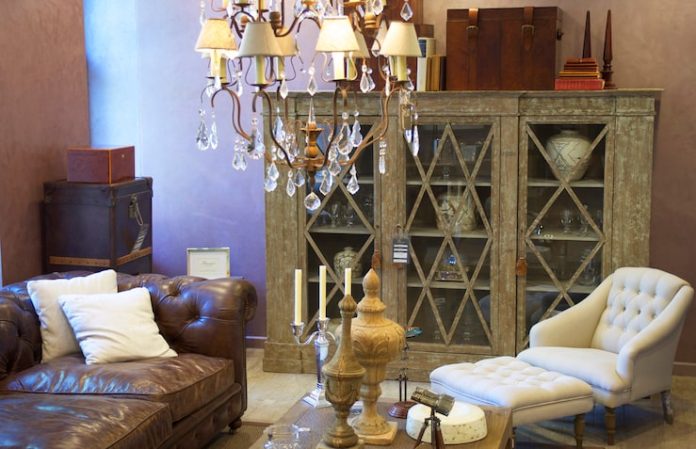

Western home decor has had a serious moment — and honestly, it’s not hard to see why. After years of minimalism dominating interior design, there’s a real hunger for spaces that feel warm, storied, and human. The western aesthetic delivers all of that: rich leather, natural wood, woven textiles, earthy tones, and the kind of lived-in quality that no flat-pack furniture can replicate.
The challenge is executing it in a way that feels intentional and contemporary rather than like a theme park recreation. Here’s how to do that.
The Color Palette: Earth, Dust, and Sunset
Western home decor is built on a foundation of warm, natural tones. Think terracotta, rust, warm cream, adobe tan, deep brown, sage green, and the occasional pop of turquoise or burnt orange. These are the colors of the American Southwest — sun-baked clay, dried grass, canyon walls, and desert sky.
- Walls: Warm white or soft clay tones work beautifully as a base
- Accent colors: Rust, turquoise, and deep burgundy add drama without going overboard
- Avoid: Cool grays, bright whites, and overly saturated colors — these clash with the organic western palette
Materials That Define the Western Look
If there’s one thing that separates authentic western home decor from imitation, it’s materiality. The real thing is heavy on natural, tactile materials that age beautifully.
Leather
Real leather — not bonded leather, not vinyl — is central to western decor. A leather sofa, leather accent chairs, or even leather-wrapped furniture legs immediately anchor a room in western territory. Look for distressed or saddle-tan finishes rather than polished or glossy options.
Reclaimed Wood
Weathered, reclaimed, or rough-hewn wood is essential. Coffee tables, dining tables, floating shelves, and exposed ceiling beams in reclaimed wood add the kind of character that simply cannot be manufactured.
Woven Textiles
Navajo-inspired blankets and rugs, chunky woven throws, and braided jute or sisal rugs are signature elements of western home decor. These add pattern, texture, and warmth while connecting to the rich textile traditions of the American Southwest.
Wrought Iron and Hammered Metal
Light fixtures, curtain rods, furniture hardware, and decorative objects in wrought iron or hammered metal add rustic weight to a space without feeling heavy. Antler-shaped or wagon wheel chandeliers are classic — just use them sparingly.
Key Pieces to Invest In
- A Pendleton or Navajo-inspired area rug as the room’s anchor
- A distressed leather sofa or armchair
- A reclaimed wood dining or coffee table
- Wrought iron or antler lighting in the main living area
- A few pieces of authentic Southwestern pottery or ceramic
- Cowhide accents — a throw pillow, stool cover, or small accent rug
Artwork and Wall Decor
Western art ranges from kitschy to genuinely beautiful. The difference usually comes down to authenticity and restraint. A single large-scale landscape painting of the desert or mountains has far more impact than a wall covered in horseshoe art and rope frames.
Look for: vintage topographic maps framed simply, black-and-white photography of ranches or desert landscapes, genuine Native American pottery or baskets as display objects, and hand-tooled leather wall pieces.
The Modern Western Balance
The best contemporary western home decor combines traditional materials with clean, uncluttered design. Keep the furniture arrangements simple. Let the materials do the work. Mix in a few modern elements — a streamlined sofa form, simple geometric patterns — to keep the space from feeling like a time capsule.
The goal is a home that feels rooted in place and time, warm enough to sink into, and interesting enough to keep looking at. Western decor, done right, is all of those things.