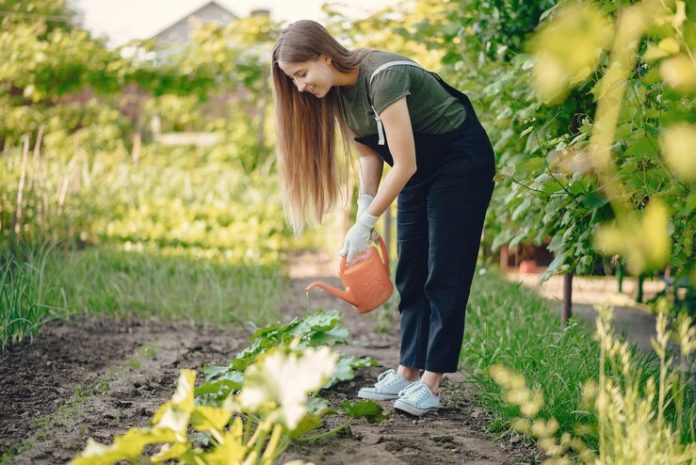

Starting a vegetable garden always sounds simpler in theory than it feels the first time you’re standing in your backyard holding a shovel. There’s a nagging worry that you’ll pick the wrong spot, use the wrong soil, or plant something that never had a chance to begin with. The truth is that most beginner gardens fail for a handful of predictable reasons, and once you know what those are, avoiding them is fairly straightforward.
A backyard vegetable garden doesn’t need to be large or elaborate to be worthwhile. Even a modest four-by-four bed, planted thoughtfully, can produce a steady supply of herbs, greens, and a few staple vegetables through an entire season. The goal for a first garden isn’t to grow everything — it’s to grow a few things well and build confidence from there.
Step 1: Choose the Right Spot
Sunlight is the single biggest factor in whether a garden succeeds or struggles. Most vegetables need at least six hours of direct sun a day, and leafy greens can get by with a bit less. Walk your yard at a few different times of day before committing to a spot, since shade patterns shift more than people expect, especially near fences, trees, or the house itself.
- Pick a spot with six or more hours of direct sunlight.
- Avoid low-lying areas where water pools after rain.
- Stay a reasonable distance from large trees, whose roots compete for water and nutrients.
- Choose somewhere close to a hose or water source — convenience matters more than it sounds like it would.
Step 2: Decide Between In-Ground Beds, Raised Beds, or Containers
In-ground beds are the cheapest option but depend heavily on the quality of your existing soil. Raised beds cost more upfront but let you control the soil completely from day one, which is a real advantage for anyone dealing with heavy clay, poor drainage, or rocky ground. Containers are the most flexible choice for small yards, patios, or renters who might not be in the same spot next season.
- In-ground beds: lowest cost, best for large gardens, requires decent existing soil.
- Raised beds: better drainage and soil control, easier on the back, slightly higher upfront cost.
- Containers: most flexible, ideal for herbs and compact vegetables, needs more frequent watering.
Step 3: Get the Soil Right Before Anything Else
Soil quality is where most beginner gardens quietly go wrong. Vegetables need loose, well-draining soil rich in organic matter — not the compacted, nutrient-thin dirt that’s often sitting under a lawn. Mixing in compost before planting is one of the highest-impact things a new gardener can do, since it improves both drainage and nutrient content at the same time.
- Test drainage by digging a small hole, filling it with water, and seeing how quickly it disappears — a few hours is ideal.
- Mix in a few inches of compost or aged manure before the first planting.
- Avoid working wet soil, which compacts easily and undoes a lot of the benefit of loosening it in the first place.
- A simple soil pH test kit can flag major imbalances before they become a recurring mystery all season.
Step 4: Choose Easy Crops for a First Season
It’s tempting to plant a bit of everything on a first attempt, but a smaller list of forgiving crops builds confidence faster than a sprawling, harder-to-manage plot. Some vegetables are simply more tolerant of beginner mistakes than others.
- Lettuce and other leafy greens, which grow quickly and tolerate a range of conditions.
- Radishes, which are ready to harvest in as little as three to four weeks.
- Tomatoes, especially cherry varieties, which are more forgiving than large slicing types.
- Zucchini and summer squash, which are famously productive even with minimal attention.
- Herbs like basil, mint, and parsley, which do well in both ground beds and containers.
Step 5: Water Consistently, Not Just Often
New gardeners tend to either overwater out of anxiety or underwater out of forgetfulness, and both cause real problems. Most vegetable gardens do best with a deep, thorough watering a few times a week rather than a light sprinkle every day, since deep watering encourages roots to grow downward and become more resilient during dry spells.
- Water early in the morning to reduce evaporation and fungal issues.
- Check soil moisture an inch or two below the surface before deciding whether to water.
- Mulch around plants to retain moisture and cut down on weeding.
Step 6: Stay Ahead of Pests Without Panicking
Some pest activity is normal and doesn’t require intervention — a few chewed leaves rarely threaten an entire plant. The bigger issue is catching problems early rather than after an infestation has taken hold. Checking plants every few days for early signs of trouble makes a much bigger difference than any single product or remedy.
- Look under leaves regularly, since many pests and their eggs hide there first.
- Introduce companion planting, like marigolds near vegetables, to naturally deter some common pests.
- Remove severely affected leaves promptly rather than letting a problem spread to the rest of the plant.
A Realistic First-Season Timeline
Cool-season crops like lettuce, radishes, and peas typically go in as soon as the ground can be worked in spring. Warm-season crops like tomatoes, zucchini, and basil go in after the last expected frost, once nighttime temperatures are reliably warmer. Keeping a simple written record of what was planted and when — even just a few notes on a phone — makes next season’s planning dramatically easier, since it removes the guesswork of trying to remember what worked and what didn’t.
The Bottom Line
A first vegetable garden doesn’t need to be perfect to be worthwhile. Choosing a sunny spot, getting the soil right, picking a handful of forgiving crops, and watering consistently covers most of what actually determines success. Everything else — the exact tools, the fancier techniques, the wider variety of crops — is something that comes naturally with a season or two of hands-on experience, and half the fun of gardening is learning that as you go.